The KPSEA results for Grade 6 learners are now available and parents and schools can access individual learner reports online. This guide explains, in simple steps, how to view and use the KPSEA results, what the reports contain, and how schools will receive and print certificates for parents and learners.
Key Takeaways
- KPSEA results are available online and schools will print certificate-style reports at no cost.
- Parents can search results using the candidate assessment number and at least one name.
- KPSEA reports include subject-level performance but do not include creative writing (English Composition or Kiswahili Insha).
- All multiple-choice transcripts were marked electronically using Optical Mark Recognition (OMR).
How to access KPSEA results
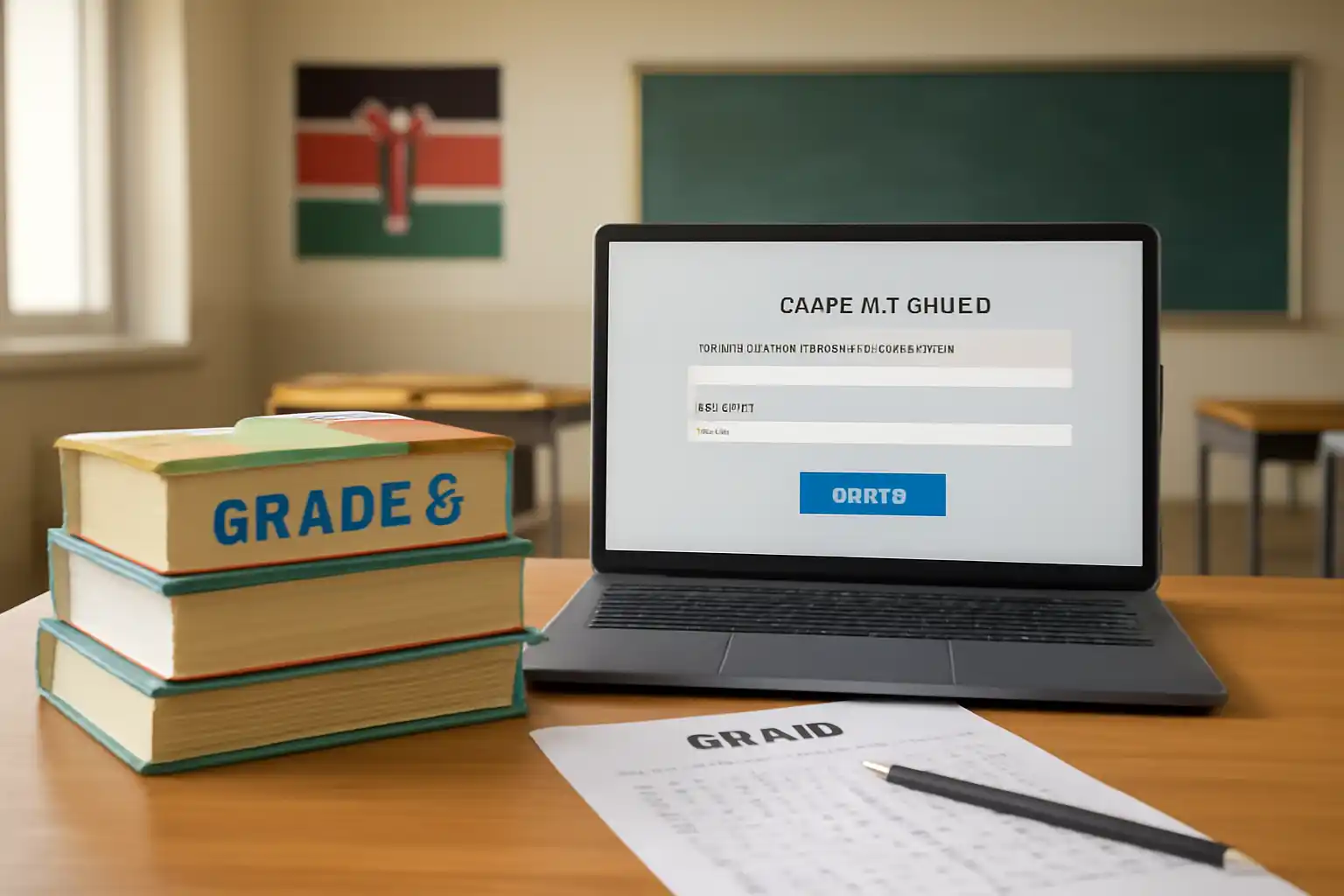
Parents and schools can check KPSEA results by visiting the KNEC results portal (enter the portal address provided by your school or examination authority). To find a learner’s report you will typically:
- Open the KPSEA results portal and locate the search form.
- Enter the candidate Assessment Number and at least one name.
- Accept any privacy or access notices shown on the page.
- Click the search or submit button to view the individual report.
If a candidate used the KILEA (Kenya Institute of Language and Education Assessment) option or similar special arrangement, parents are advised to collect the printed report from the candidate’s school.
What the KPSEA report includes
Each individual learner report gives a snapshot of performance across the tested areas. The KPSEA covers five main subjects:
- Mathematics
- English
- Kiswahili
- Integrated Science (combines Science & Technology, Agriculture, Home Science and Physical Health & Education)
- Social Studies & Creative Arts (combines Social Studies, religious education, Art & Craft and Music)
The reports are issued to schools in certificate form for distribution to parents and learners. These reports are intended to monitor learner progress, not to place learners into junior secondary schools.
How KPSEA results are marked and processed
All multiple-choice sections of KPSEA were marked electronically. The marking process uses Optical Mark Recognition (OMR) scanners. OMR machines scan answer sheets, detect marked areas where candidates filled bubbles, and score the scripts quickly and consistently.
Modern OMR equipment allows scripts to be processed in batches (for example, 100–200 sheets at a time), cutting the time previously needed for manual or slower electronic marking. This improves speed and reduces human error in scoring multiple-choice items.
Using KPSEA results for school transfers and improvement
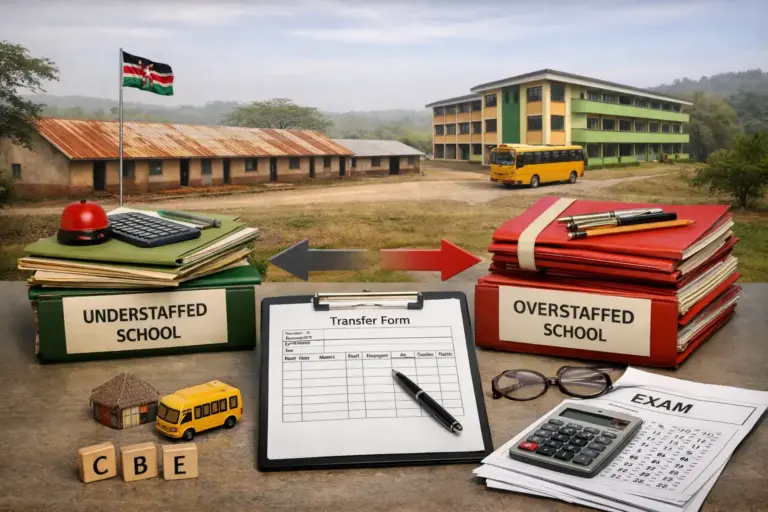
Parents may use the KPSEA individual reports to support a transfer request to another junior secondary school if needed. Schools will also receive two other report types:
- School-specific reports that identify strengths and areas needing improvement for that school’s cohort.
- National-level reports that highlight subject areas where interventions may be required across the country.
School leaders and teachers can use these reports to design targeted improvements in teaching and learning. National feedback will be shared with curriculum bodies so that systemic adjustments can be planned.
Common questions about KPSEA results
- Will the result affect placement to junior secondary? No. KPSEA reports are for monitoring progress and school improvement; they are not used for placement into junior secondary.
- Where do I collect the printed certificate? Schools will download and print certificate-style reports and distribute them to parents and learners free of charge.
- Are composition papers included? No. The KPSEA assessment does not include English Composition or Kiswahili Insha; teachers have raised concerns about this omission.
Next steps for parents and teachers
Parents should request the learner’s assessment number from the school if they do not have it, then follow the search steps on the results portal to view the report. Teachers should download the school-specific report to identify curriculum areas that need targeted support.
For teaching resources and practice materials that match the current curriculum, consider the following free resources:
- Free CBC exams and practice papers for classroom revision and assessments.
- KCPE practice exams for additional primary-level practice that complements KPSEA topics.
- Grade 6 CBC schemes of work to plan targeted lessons that address gaps identified in KPSEA school reports.