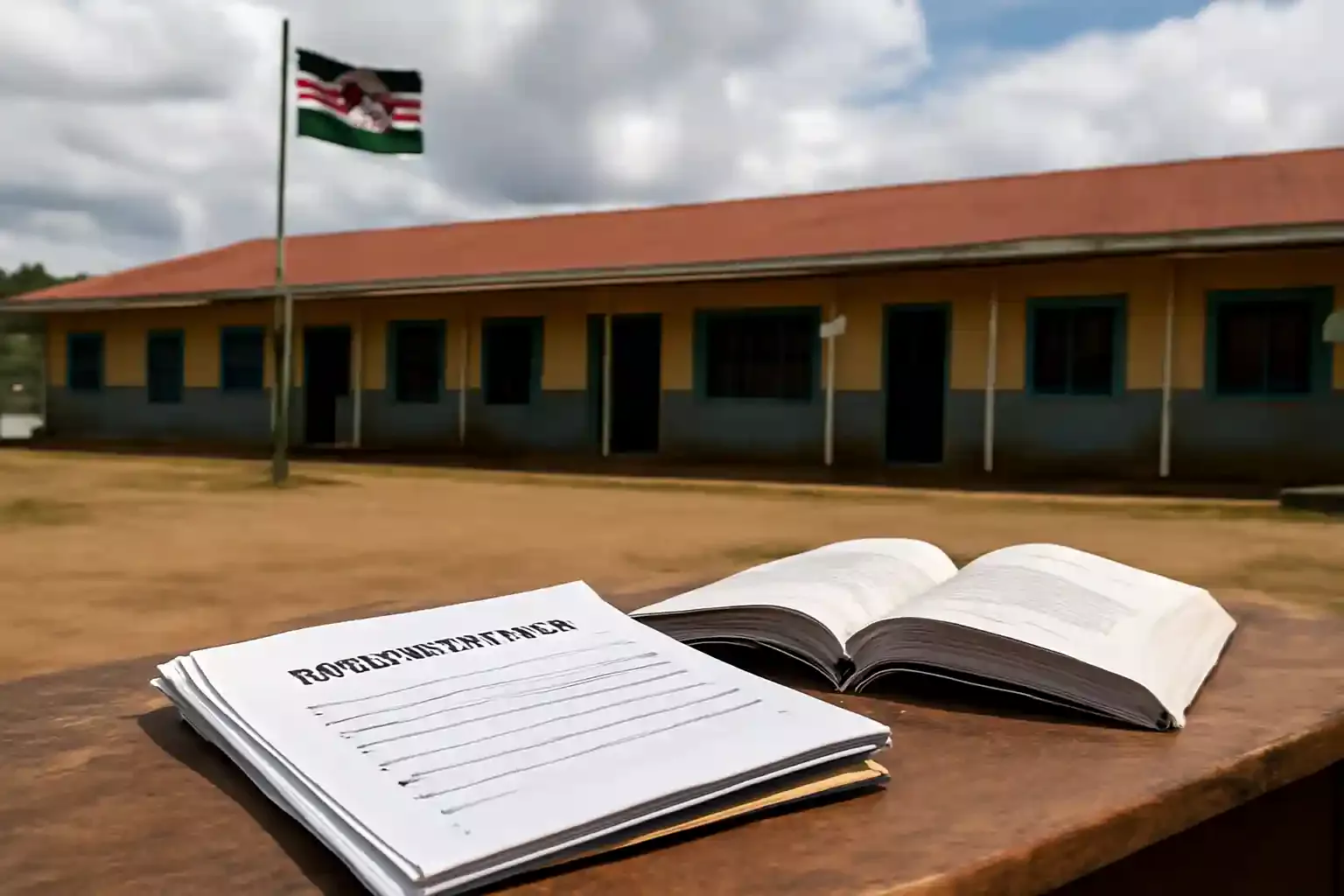
The recent wave of student unrest in Kenyan schools has highlighted urgent gaps in safety, student support, and school management. The government response focuses on accountability, targeted safety audits, and stronger grievance channels, but schools, parents and county education offices must act fast to prevent more harm and restore trust.
Key Takeaways
- Student unrest in Kenyan schools is concentrated mainly in boarding senior schools, not a nationwide collapse.
- Immediate safety audits and improved fire preparedness are required to protect learners.
- Stronger, clear grievance-handling systems can stop small complaints turning into riots.
- Families and schools must use the mid-term break for reconciliation and emotional support.
- A multi-stakeholder review will examine root causes and recommend lasting reforms.
Why student unrest in Kenyan schools is happening
Several factors combine to create unrest in some schools. Leadership gaps emerge when administrators do not keep open channels with learners. High academic pressure without counselling raises anxiety. Poor boarding conditions and rigid routines add to frustration. Peer influence can spread incidents quickly between schools. Outside problems such as drugs and alcohol also seep into campus life.
Immediate steps schools and counties should take
Short-term actions reduce risk and show care for learners.
- Conduct safety audits: Check fire exits, alarms, escape plans and staff training. Ensure dorms meet minimum safety standards.
- Strengthen monitoring: Increase supervised routines and ensure adequate adult oversight in dorms and common areas.
- Improve grievance systems: Set up confidential, fast and effective channels where students can report concerns about food, staff conduct or bullying.
- Hold urgent parent meetings: Schools must invite parents to join problem-solving and clear communication forums.
Longer-term reforms to address root causes
Beyond immediate fixes, systemic changes are needed to reduce future unrest.
- Multi-stakeholder reviews: Education officials should work with teachers, parents, psychologists and student representatives to diagnose problems and propose reforms.
- Rationalise the school calendar: Balance terms and break times to reduce burnout and exam stress.
- Expand counselling services: Place trained guidance counsellors in boarding schools and provide regular mental health sessions.
- Improve boarding conditions: Upgrade facilities and ensure hygiene, food quality and recreation are adequate.
How parents and guardians can help
Parents play a key role in calming tensions and supporting learners.
- Use the mid-term break to talk about feelings, school life and safety.
- Attend Parent Association meetings and demand transparent grievance handling.
- Support constructive discipline and avoid normalising destructive protest.
Support resources for teachers and students
Teachers and school leaders can use curriculum and exam resources to maintain learning continuity while addressing unrest.
- Access free curriculum designs to plan adjusted lessons during recovery: CBC curriculum designs.
- Find senior-school planning tools and revision exams to keep students on track: KCSE revision exams.
- Use primary assessment materials to support learners in lower grades: KCPE practice exams.
Practical checklist for schools (quick reference)
- Run a full fire and security audit within 72 hours.
- Set up an independent grievance panel with student representation.
- Schedule mandatory counselling sessions for high-risk groups.
- Communicate a clear timeline and actions to parents and learners.
- Document incidents transparently and cooperate with law enforcement when criminal acts occur.
Final thoughts on restoring safety and empathy
Student unrest in Kenyan schools is a wake-up call. While most schools remain stable, the loss of life and property in isolated incidents demands a firm, compassionate response. Combining legal accountability with improved safety, better student support and active parental engagement offers the best path back to calm. Schools must become true sanctuaries where learning and safety come first.