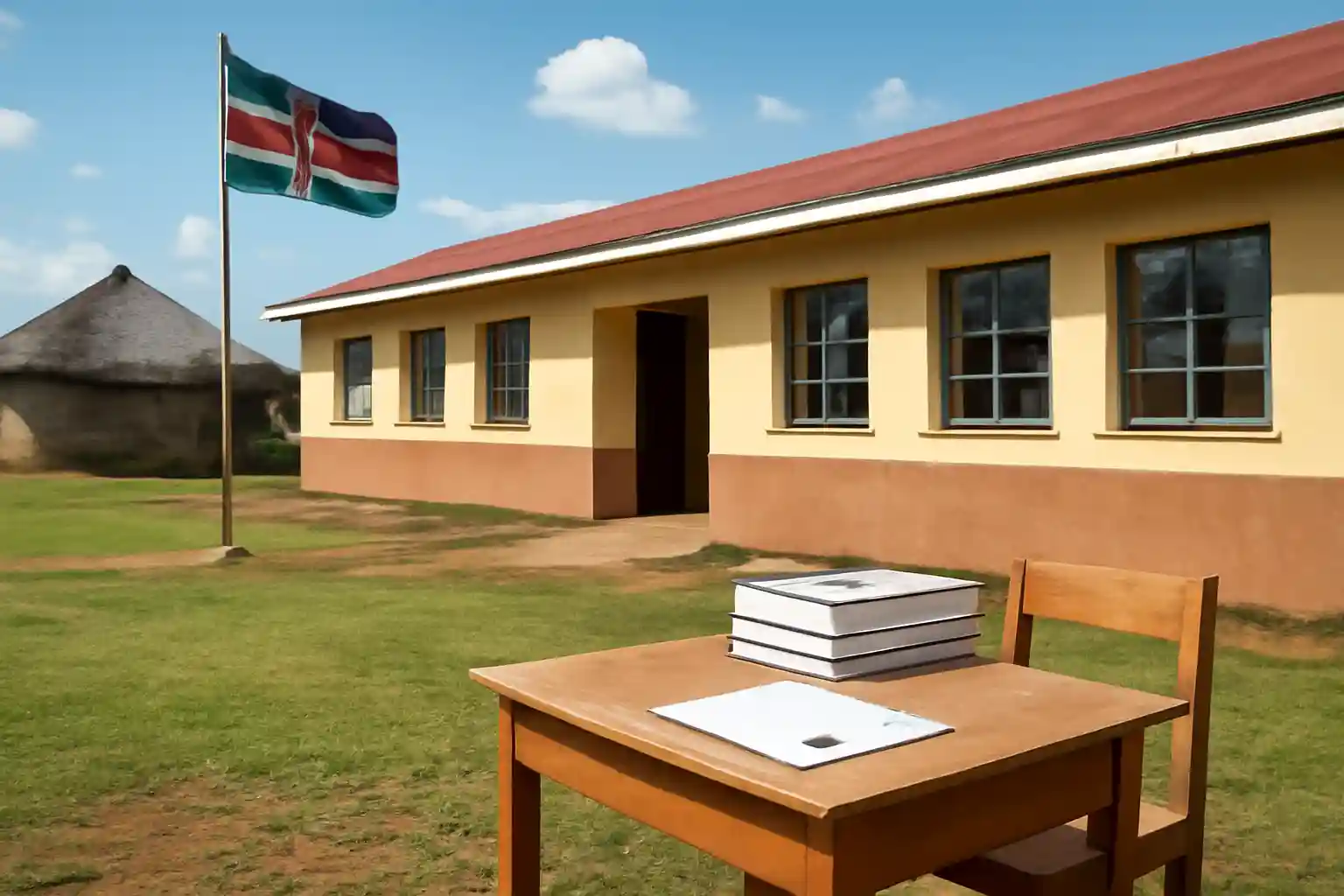
The Teachers Service Commission (TSC) has intensified a strategic wave of P1 teacher deployment to strengthen special needs education and prepare primary teachers for roles in Junior Secondary Schools (JSS). The move reallocates surplus primary teachers to institutions that need specialised support, improves teacher-pupil ratios in special needs schools, and opens clearer promotion and career pathways for P1 teachers with SNE qualifications.
Key Takeaways
- Major push to reassign surplus P1 teachers to special needs schools and specialised units nationwide.
- Deployment is phased and targeted; prior cycles ran from 2024 through mid-2025 with more activity in 2026.
- P1 teachers with a Diploma or Degree in Special Needs Education are prioritized; submissions go through TSC Sub-County offices and Curriculum Support Officers (CSOs).
- Revised JSS deployment criteria are expected to be more inclusive, easing entry requirements for many P1 teachers.
Why the deployment is happening
Special needs education (SNE) centres have long faced staffing shortages while some primary schools hold a surplus of trained teachers. By reallocating excess staff, the TSC aims to:
- Close gaps in SNE schools and units.
- Utilise existing teacher capacity more efficiently.
- Create career progression paths for P1 teachers, especially those who have upgraded professionally.
P1 teacher deployment: Requirements for JSS and SNE
Below are the current standard conditions teachers should meet before deployment to JSS or special needs units. These reflect TSC practice at the time of the latest deployment cycle.
- Registration: Active registration with the TSC.
- Employment: Currently employed by the TSC as a primary school teacher.
- Good standing: Not under interdiction or disciplinary action.
- Academic minimums for JSS: Diploma in Education with KCSE mean grade of C+ and C+ in two teaching subjects, or equivalent A-level credentials. Note proposed changes would allow a Diploma in Secondary Education, KCSE mean grade of C (plain), and C+ in one teaching subject.
- Degree specifics: Bachelor of Education in a secondary option is required for some JSS roles; Bachelor of Education (Primary Option) holders remain generally ineligible for JSS deployment unless otherwise specified.
- Subject competency: At least eight units in each of the two teaching subjects where applicable.
The special needs deployment process
Deployment to special needs schools uses a tailored, hands-on process rather than the automated online system used for other placements. Key steps:
- Teachers with SNE training submit their details to the local CSO at the TSC Sub-County office.
- Required information is verified instantly in many cases after reforms to speed processing.
- Priority is given to teachers with Diplomas or Degrees in Special Needs Education and clear indications of specialization (e.g., HI, VI, MH, Autism, CP, Deaf-Blind).
Documents to prepare
To avoid delays, prepare originals and certified copies of the following before submission:
- Original academic certificates and transcripts.
- SNE certification or specialist training records (if applicable).
- Current payslip and TSC number.
- Formal declaration from Head of Institution confirming clean disciplinary record.
- County, Sub-County and Zone details, and a working phone number.
History and scale of the programme
The deployment is part of a multi-year programme launched to rebalance staffing.
- September 2024: First phase in the financial year cycle.
- January 2025 and June 2025: Subsequent phases expanded placements.
- By June 2025, the programme targeted thousands of teachers with several thousand already moved; an identified shortage of over 5,000 SNE teachers guided priorities.
Common challenges and what teachers should expect
Some teachers have experienced delays—particularly in receiving placement letters or salary adjustments after redeployment. Causes often cited include fiscal constraints and phased funding. Teachers advised to:
- Keep records of all submissions and correspondence with CSOs.
- Follow up persistently with Sub-County Directors when placements are delayed.
- Prepare for potential delays in salary regrading and seek clarification from TSC payroll units when necessary.
Preparing for JSS roles and professional development
Primary teachers planning for JSS or SNE roles should strengthen subject competence and collect relevant documents. Useful resources for study and curriculum preparation include:
- Diploma in Education past papers to revise assessment content and common question types.
- JSS curriculum designs that outline subject scope and learning outcomes for grades 7–9.
- CBC curriculum designs useful for aligning teaching approaches to current classroom expectations.
Next steps and who should apply
If you are a P1 teacher with a Diploma or Degree in Special Needs Education, contact your local CSO immediately to ensure your details are included in the current deployment cycle. Continue monitoring official TSC announcements and prepare documentation ahead of verification. For JSS aspirants, refreshing subject knowledge and consulting available curriculum resources will improve readiness for placement and promotion.