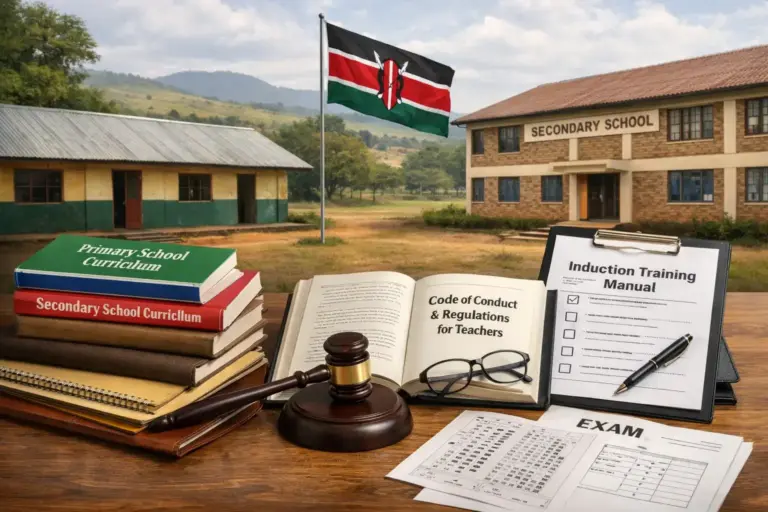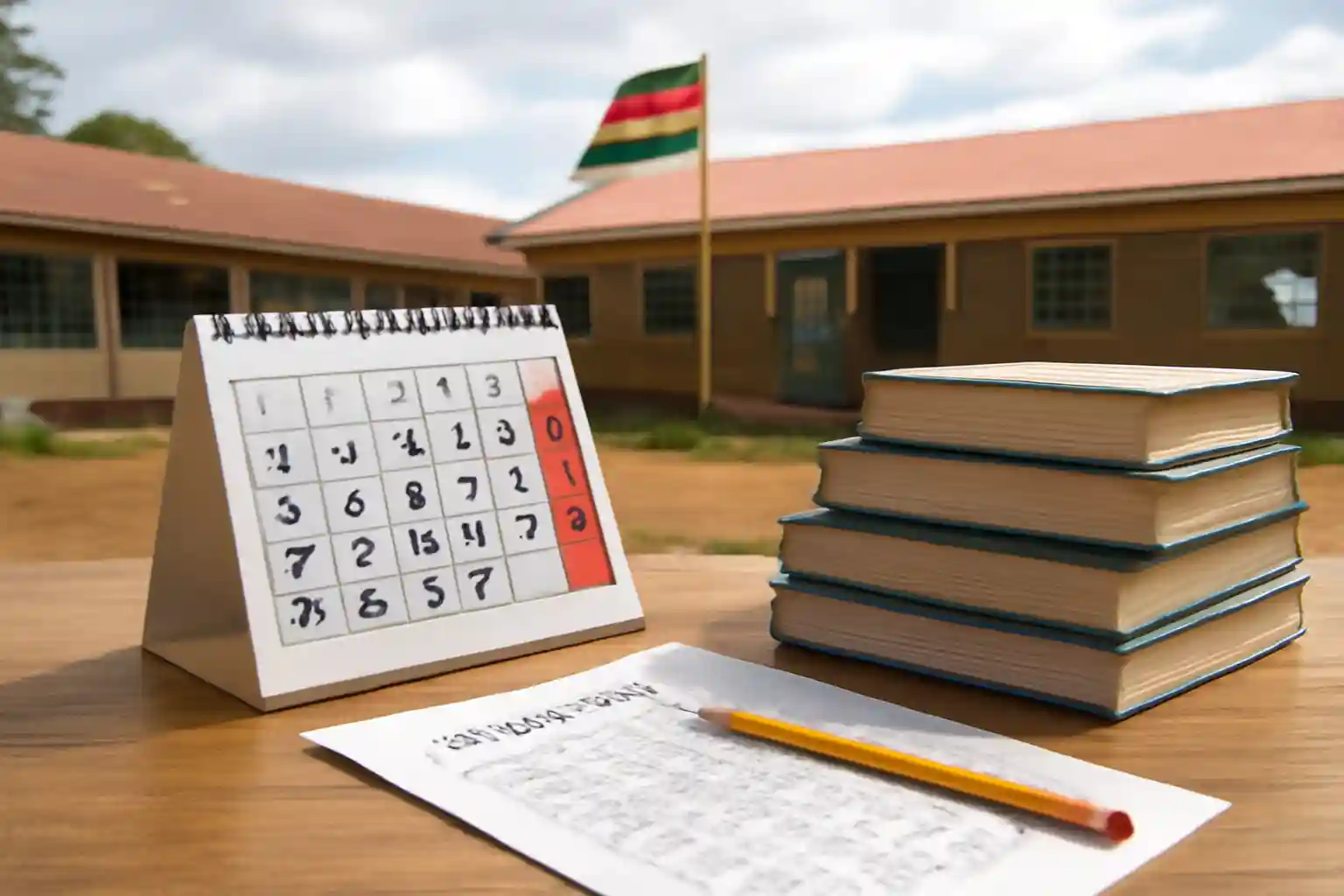
With less than 30 days left in the third term 2026, schools face a compressed period of syllabus completion, national assessments and two public holidays that will reduce classroom time. This article explains the schedule, exam timelines and practical steps schools, parents and learners should take to finish the term smoothly and prepare for the long holiday.
Key Takeaways
- Third term 2026 runs from 24 August to 23 October, but many secondary schools close a week earlier.
- Two public holidays—Mazingira Day (10 Oct) and Mashujaa Day (20 Oct)—fall during the term and will interrupt lessons.
- Major national exams include KCSE 2026 (19 Oct–20 Nov) and several KNEC assessments (26–30 Oct) for primary and junior levels.
- The Ministry has restricted external events during the exam period and cancelled annual leave for officers to protect the assessment window.
- El Niño rainfall forecasts raise logistical risks; schools should put contingency plans in place for transport, materials and feeding supplies.
Overview of the term and calendar
The third term 2026 is the shortest of the school year at nine weeks. Schools reopened on 24 August and the official closing date is 23 October. Because many senior and secondary schools are required to support national examinations, most will finish teaching and send non-candidate learners home about a week earlier.
Public holidays and how they affect learning
Two national holidays take place while schools are still in session:
- Mazingira Day — 10 October 2026 (hosted in Trans-Nzoia County).
- Mashujaa Day — 20 October 2026 (hosted in Elgeyo-Marakwet County).
These days will be observed nationally and interrupt timetables. School leaders should factor the lost contact time into their remaining teaching plans and reschedule practicals or assessments accordingly.
National examinations and assessment dates
Examinations form the backbone of the short term and require strict coordination between schools, KNEC and local education offices. Key dates include:
- KCSE 2026: Monday, 19 October – Friday, 20 November 2026.
- KPSEA (Primary): Monday, 26 October – Wednesday, 28 October 2026.
- KILEA (Intermediate): Monday, 26 October – Friday, 30 October 2026.
- KJSEA (Junior): Monday, 26 October – Friday, 30 October 2026.
- KPLEA (Pre-vocational): Monday, 26 October – Thursday, 29 October 2026.
Because KCSE begins before some primary and junior assessments, the exam season overlaps and places heavy logistical demands on venues, staff and security.
Ministry rules to protect the exam period
To minimise disruption the Ministry of Education has directed schools to apply the following measures during the national assessment window:
- No prayer sessions involving parents or outside visitors for candidates (internal chaplaincy services may continue).
- Schedule Annual General Meetings (AGMs) only during the first or second term.
- Move prize-giving, thanksgiving and candidate send-off events to the second term.
- Cancel annual leave for education officers during the national assessment and examination period.
Regional, county and sub-county directors are responsible for enforcing these rules to ensure secure, uninterrupted exams.
El Niño risks and contingency planning
Forecasts indicate possible El Niño rains between October and December, coinciding with national assessments. Heavy rains can:
- Cut off roads and bridges, delaying movement of exam materials and staff.
- Flood schools and damage facilities used as exam centres.
- Disrupt the school feeding programme if supplies are not pre-positioned.
The Ministry and KNEC have outlined emergency mapping and response plans. Schools should finalise contingency measures such as alternate routes, safe transport for candidates and secure storage for exam papers.
What schools should do now
School heads should act quickly to protect learning time and exam integrity:
- Prioritise and complete syllabus coverage and internal assessments early.
- Confirm examination centre arrangements with sub-county offices and ensure secure custody of materials.
- Prepare contingency plans for heavy rain—protect buildings and identify alternative access routes.
- Reschedule co-curricular events so they do not conflict with the exam timetable.
Guidance for parents and learners
Parents and learners can help maintain focus during the tight window:
- Parents should prepare for closing and reopening logistics, clear fee balances and support learners with a calm home environment.
- Minimise external engagements with candidates during exam weeks in line with Ministry guidance.
- Candidates should prioritise revision, rest and nutrition; non-candidate learners should take end-of-term assessments seriously.
Resources to support revision and planning
Teachers and learners can use available exam resources and schemes to support revision and internal assessments. Useful resources include:
- KCSE revision and past papers to practise question formats and timing.
- KCPE/KPSEA past papers and practice exams for primary-level revision.
- CBC exams and practice materials for learners in the competency-based curriculum.
The third term 2026 is short but decisive. With clear scheduling, adherence to Ministry rules and preparedness for weather risks, schools can complete the academic year on schedule and ensure a safe, organised start to the long holiday.