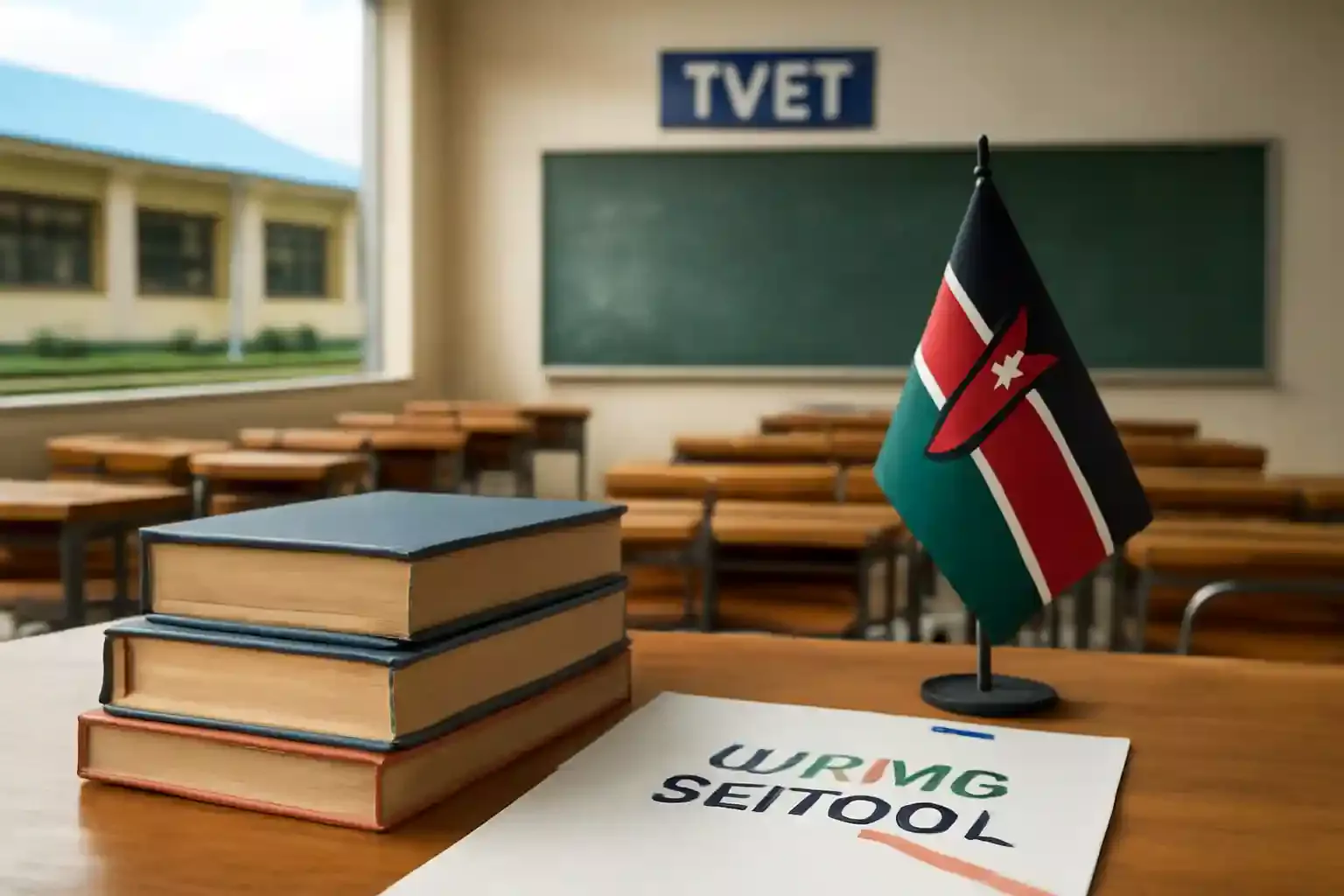
The Teachers Service Commission (TSC) has warned of a growing senior school teacher shortage as Grade 10 rollout under the Competency-Based Education (CBE) system approaches. Thousands of first-year university students can shift into high-demand courses now that TSC allows registration with one teaching subject, creating fast-track opportunities for specialised teachers.
Key Takeaways
- Senior school teacher shortage is most severe in CBE-introduced subjects like music, aviation, marine studies, and technical trades.
- TSC now accepts registration with one teaching subject, lowering barriers for niche disciplines.
- Students and universities must adapt quickly: change courses, add technical certifications, and expand specialised training.
- Schools, TVETs and universities need a 3–5 year plan to equip ICT, STEM and workshop facilities for Grade 10.
Why the senior school teacher shortage matters
The national shift to CBE for senior schools changes what students must learn and what teachers must teach. With about 1.1 million learners moving into senior school, many institutions lack trained staff, equipment and digital resources. The shortage is not only a staffing problem but a curriculum-delivery problem: without enough specialists, many CBE subjects cannot be taught properly.
Where the gaps are
TSC and independent surveys show the largest gaps across three pathways:
- STEM and technical trades: computer studies, aviation, electricity, building and marine technology face acute shortages.
- Social sciences and languages: indigenous languages, sign language and foreign languages such as Arabic and Mandarin need more teachers.
- Arts and sports: music, theatre, fine arts and sports science are under-staffed despite being examinable CBE pathways.
In many C3/C4 schools, staffing and resource deficits are worst. Digital infrastructure and textbooks are commonly inadequate, increasing the need for targeted recruitment and training.
TSC policy change: one teaching subject
To speed up recruitment, TSC removed the strict two-subject requirement for teacher registration. Under the new rules, candidates can register with one teaching subject if they have at least a C+ in that subject and a minimum C overall in KCSE. This makes it easier for university students who specialise in niche fields to qualify as teachers.
What incoming university students should consider
If you have just reported to university, consider the following steps to align with high-demand careers:
- Use change-of-course windows to move into shortage areas like computer studies, music or marine studies.
- Combine your teaching subject with digital skills, entrepreneurship or project management to increase employability.
- Obtain parallel technical certificates where possible—for example, TVET-aligned training in electrical installation, woodwork or ICT.
Responsibilities for universities and teacher-training colleges
Higher education institutions must update programmes and expand capacity in specialised CBE areas. Practical partnerships with industry—aviation firms, maritime agencies, tech companies—will help build relevant skills. Institutions should also prioritise upgrading labs and workshops so graduates are classroom-ready.
How to prepare: practical resources and next steps
Students and lecturers can start preparing now by studying Grade 10 curriculum designs and focused teaching materials. For curriculum planning, review the Grade 10 curriculum designs. Teachers and trainee teachers can strengthen lesson delivery using national CBE resources found in the CBC curriculum designs hub.
If you are pursuing an education qualification, past papers and study materials help you meet registration requirements. Check the Diploma in Education past papers to practise assessment-style questions and prepare for professional exams.
Summary and action points
The senior school teacher shortage offers both a national challenge and a clear opportunity for students and institutions. With TSC easing registration rules and a large demand for technical and creative teachers, students who pivot into specialised CBE subjects stand to secure teaching positions quickly.
- Students: evaluate course changes, add technical certificates, and build digital skills.
- Universities: expand specialised programmes and partner with industry to upgrade training facilities.
- Policy makers and schools: implement affirmative hiring and phased infrastructure plans for ICT and STEM labs.
Acting now will ensure that Grade 10 rollout succeeds and that learners receive quality instruction in specialised CBE pathways.