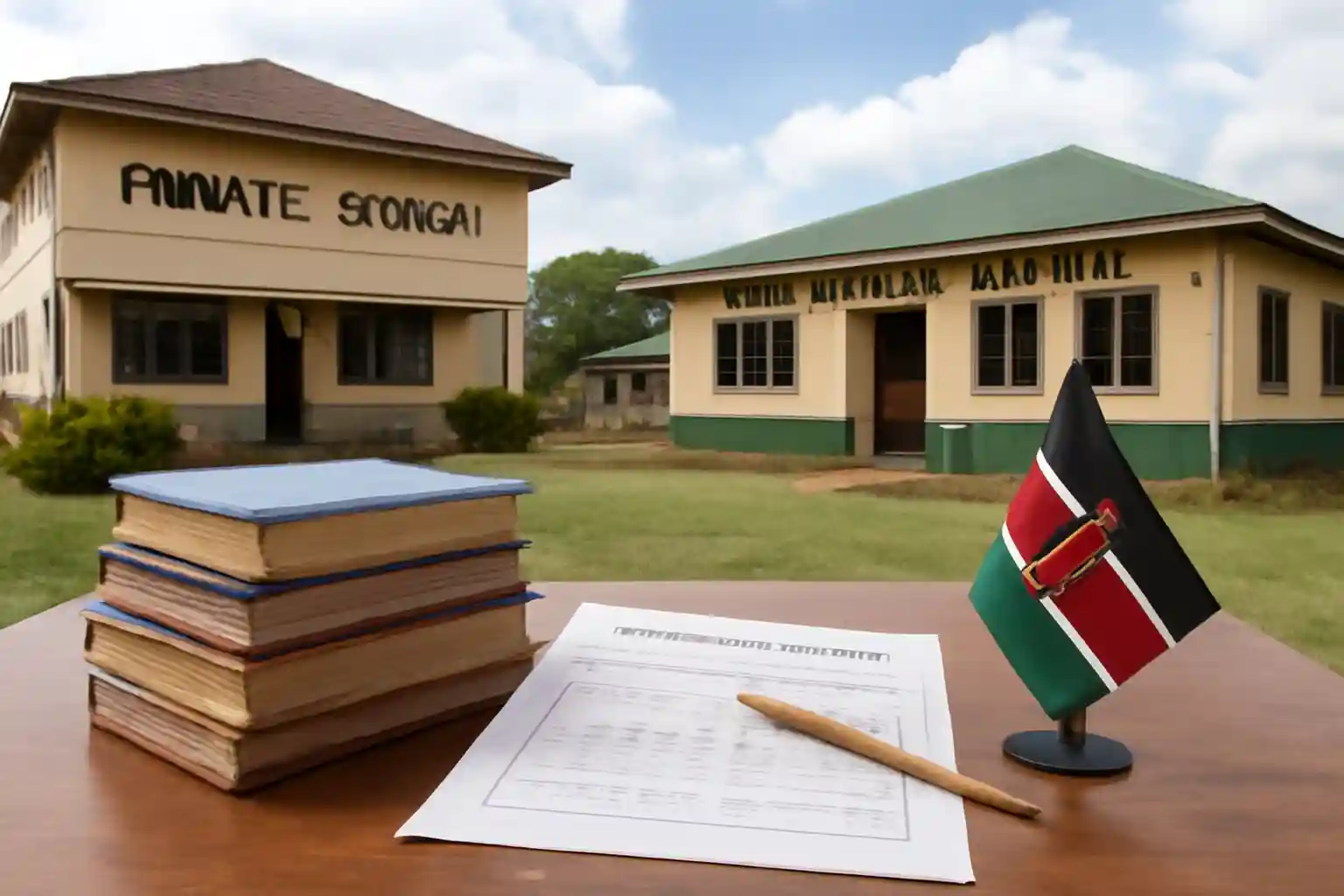
Many parents are transferring their children from private primary schools to public junior schools immediately after the Kenya Primary School Education Assessment (KPSEA). This shift reflects how the Competency Based Curriculum (CBC) treats Grade 6 as a transition point, and it is driven by concerns about teacher qualifications, school facilities, cost and distance.
Key Takeaways
- KPSEA now issues reports, not certificates, making the end of Grade 6 a natural decision point for parents.
- Public junior schools often have more qualified teachers and ongoing CBC training than many private schools.
- Government investment in classrooms and laboratories makes public junior schools better equipped for junior-level learning.
- Lower fees and shorter travel distances make public junior schools better value for many families.
Why KPSEA is changing parental decisions
Under the old 8.4.4 system, the Kenya Certificate of Primary Education (KCPE) was a high-stakes exam that came with a certificate. KPSEA, by contrast, produces a report after Grade 6 rather than a certificate. Because learners continue through a single basic education pathway under CBC, parents treat the end of Grade 6 as a moment to reassess whether their current school can deliver the three-year junior school programme (Grades 7–9).
Four reasons parents move children to public junior schools
The decision to switch schools after KPSEA is usually practical. The main drivers are:
- Teacher qualifications: Junior school is a secondary-level stage and benefits from diploma and graduate teachers. Many public junior schools employ such teachers and run systematic retooling programmes for CBC, while smaller private schools often rely on primary-trained P1 or PTE teachers for Grades 7–9.
- Facilities and resources: CBC emphasizes practical learning, science and projects, which require laboratories, workshops and larger learning spaces. Public junior schools have received significant government investment in classrooms and laboratories, giving them an edge.
- Cost and value: Public schools typically offer lower fees and government-supplied books and resources. Parents in private schools sometimes face rising fees to fund facilities they may never fully trust.
- Proximity: Public schools are often nearer to homes, cutting transport costs and long travel times that reduce study and rest time for adolescents.
What this means for private schools and parents
Private schools that expected learners to stay through upper primary are now seeing enrolment dips in junior classes. Those that can must consider hiring graduate teachers, investing in laboratories and clearly communicating their junior school standards to parents. Others may refocus on primary-only offerings.
Parents deciding whether to keep a child in a private school or move them to a public junior school should ask practical questions:
- Does the school have teachers qualified to teach secondary-level content?
- Are there functioning science laboratories and sufficient learning materials for project-based work?
- What will the total cost be across the three junior school years?
- How far is the school from home and how will travel affect the child’s routine?
How teachers and schools can respond
To retain learners, private schools should prioritise staff development and facilities. Investing in targeted retraining for teachers, hiring diploma or degree-level instructors, and creating basic science and project spaces will help. Schools can also highlight their CBC-aligned lesson plans and assessments to reassure parents. Resources such as free CBC exams and JSS teaching notes can support curriculum alignment and teacher preparation.
Practical guidance for parents after KPSEA
If you are considering a move, compare schools on the items above and visit potential junior schools with your child. Look for evidence of ongoing teacher training, functioning science areas and sample lesson plans or schemes of work. For example, Grade 6 schemes and CBC curriculum designs help you see how a school plans transition work into junior school; see Grade 6 CBC schemes of work and senior school curriculum designs to understand progression.
Conclusion
The trend of shifting learners from private primary schools to public junior schools after KPSEA is a practical response to the CBC structure. With public junior schools often offering better-qualified teachers, improved facilities, lower costs and closer locations, many parents find the move sensible. Private schools that adapt by strengthening staffing and resources can remain competitive; parents who ask clear, focused questions will be better placed to choose the right path for their child.