The recent wave of student unrest has led to a rise in school closures as principals prioritise safety over the official calendar. This article explains why many schools have shut early, what triggers the closures, how the Ministry of Education is responding, and practical steps schools and parents can take to protect learners and learning. The main focus is on school closures amid student unrest and how to manage the impact on students and examinations.
Key Takeaways
- At least ten secondary schools have closed early due to safety concerns, reflecting wider unrest across the country.
- Principals cite real threats—fires, arson plots and intelligence of riots—as reasons for school closures.
- The Ministry is carrying out safety audits and advising caution on exams, but some schools are acting autonomously.
- Schools, parents and regional directors need clear, flexible plans to balance safety and continuity of learning.
School closures: Why principals are shutting doors
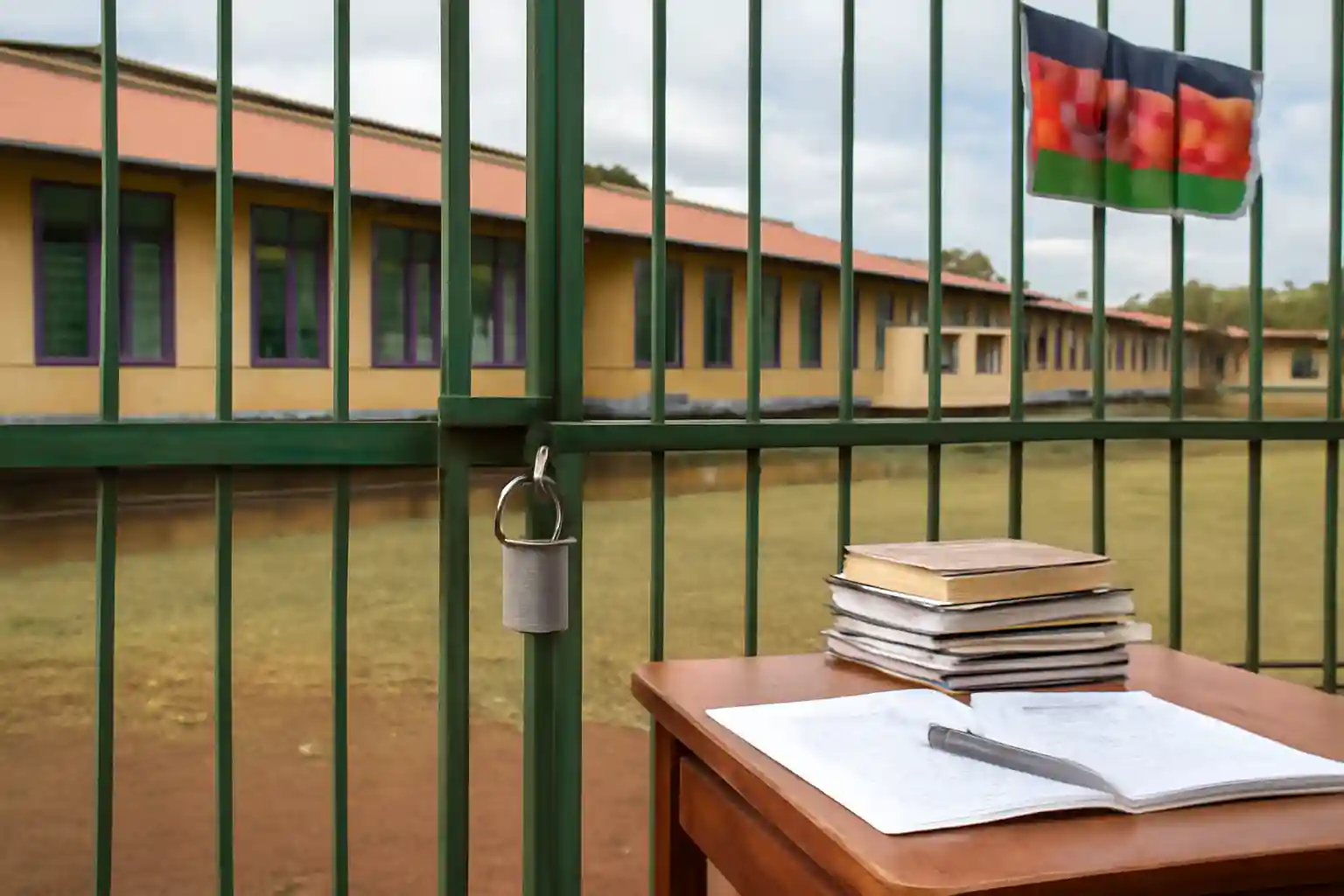
Many principals report that the situation in some boarding schools has become volatile. Incidents such as fires, property damage and credible threats of arson have prompted immediate action. When lives and property are at risk, school leaders sometimes decide to send learners home early rather than wait for central clearance. These local decisions are driving the growing number of school closures across regions.
What the Ministry is saying
The Ministry of Education has maintained the official term dates and warned against unsanctioned early breaks. At the same time, officials have acknowledged the sensitivity of the moment and increased safety inspections and Quality Assurance Officers. Ministry guidance now emphasises dialogue, counselling and targeted safety checks. It also advises school heads to be cautious about forcing exams when students are anxious, suggesting postponement when necessary.
Triggers for closures
- Actual fire incidents or vandalism to school property.
- Discovery of organised arson plans or credible intelligence of riots.
- Mass demonstrations and widespread indiscipline that local staff cannot contain.
- High levels of student anxiety linked to examinations and mental health issues.
Impact on examinations and learning
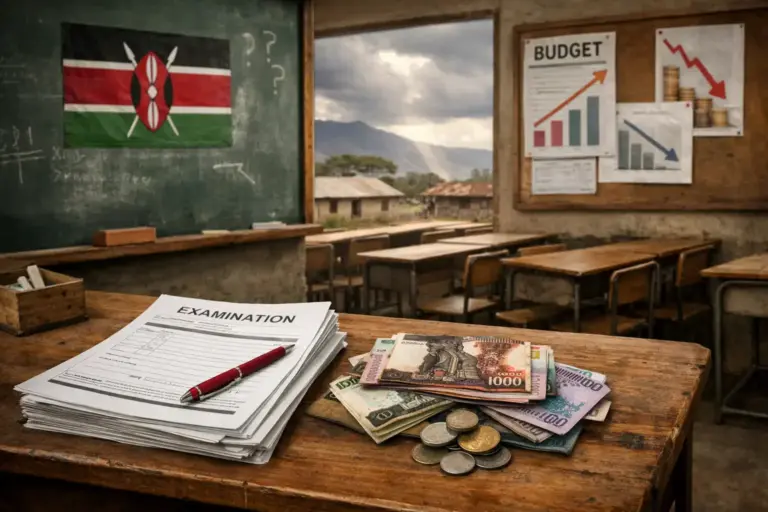
Exams and assessment schedules are a major source of student stress and a common trigger of disturbances. The Ministry has suggested postponing county-based mocks when students are anxious. Where schools close early, teachers and parents must quickly plan for catch-up learning and rescheduling of tests. For schools preparing senior students, resources such as KCSE revision exams and mock papers can help maintain readiness during interruptions.
Practical steps schools should take
- Conduct and document a rapid safety audit and share findings with regional directors.
- Strengthen guidance and counselling services to address anxiety and anger among learners.
- Develop a short-term learning continuity plan with remote tasks or take-home assignments.
- Communicate clearly and promptly with parents about closures, expected return dates and support options.
How parents can help
Parents have an important role during periods of disruption. Keep calm and follow official school communications. Ensure learners have a safe place at home, continue supervised study routines, and check in on mental wellbeing. Parents of exam candidates should coordinate with teachers on revised mock schedules and access revision resources, such as CBC lesson plans for structured study and secondary school schemes of work to guide revision topics.
Should regional directors be given more autonomy?
Giving regional directors authority to approve early mid-term breaks would allow faster local responses to immediate threats. However, decentralised decisions must come with clear criteria and accountability to avoid misuse or mixed messaging. A balanced approach is to set predefined safety thresholds and a quick clearance process that regional directors can use when schools face imminent danger.
Preparing for the next steps
Schools should treat safety and learning continuity as linked priorities. Immediate actions include securing school premises, logging incidents, and offering counselling. Medium-term steps include reviewing boarding-house supervision, strengthening emergency response plans, and working with regional offices to refine decision-making protocols for closures.
Final practical checklist for principals
- Assess threat level and document reasons for any decision to close.
- Notify the Ministry and regional director immediately with evidence and action taken.
- Provide parents with clear instructions and learning materials for home study.
- Reschedule key assessments and keep records of postponements to protect students from penalty.
Clear communication, documented safety procedures and access to structured learning resources will reduce disruption from school closures. Prioritising student welfare and mental health while maintaining academic standards will help schools navigate this difficult period.