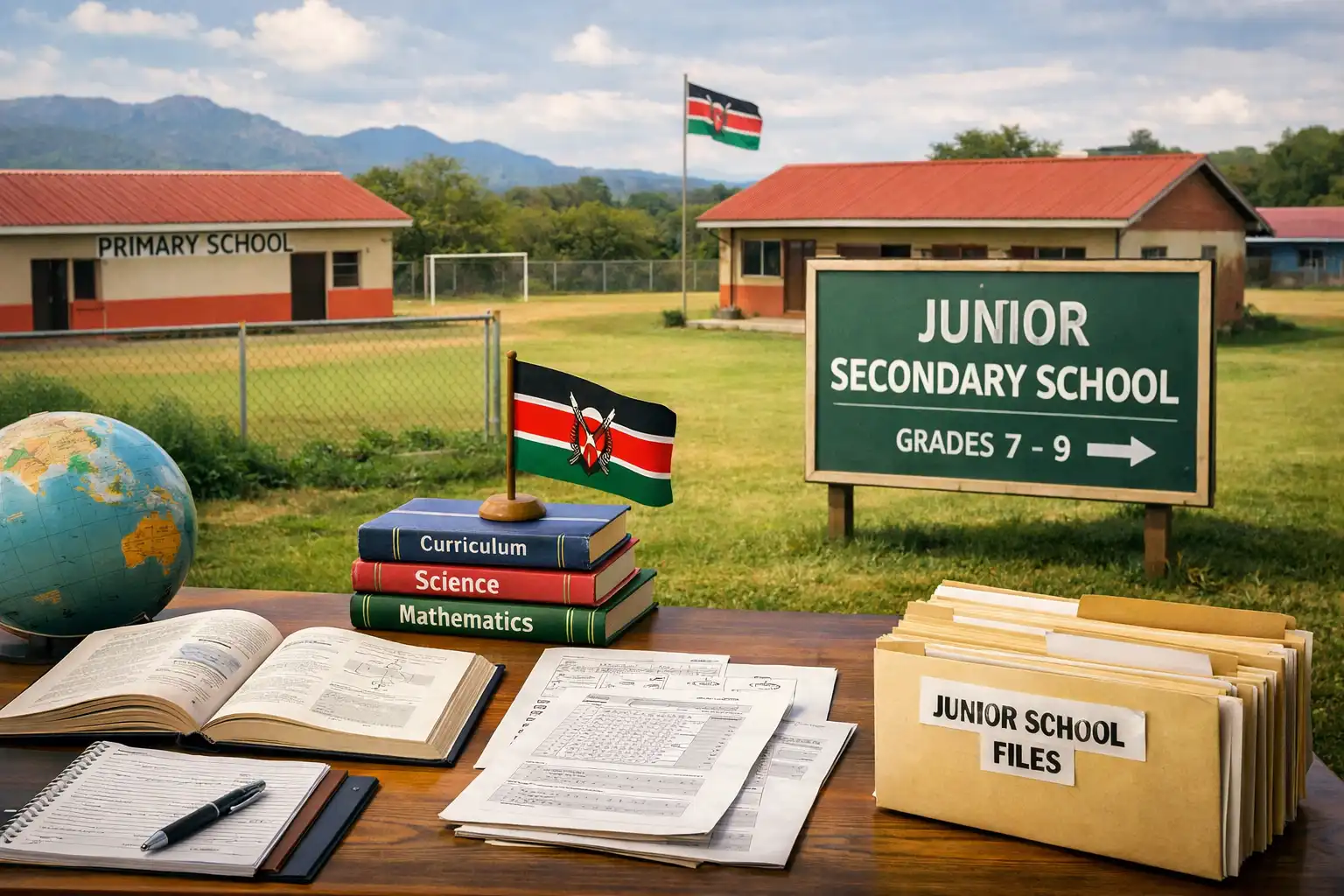
The Teachers Service Commission (TSC) has dropped the World Bank–backed plan to upgrade P1 teachers to junior school roles and instead proposed independent administrative structures for Grades 7–9. This move shifts focus from large-scale capacity upgrades to creating autonomous junior schools under their own principals — a change commonly referred to as junior school autonomy.
Key Takeaways
- TSC abandoned P1 upgrading: the programme to retrain 38,849 P1 teachers for junior school posting has been halted.
- Staffing gap: junior schools reportedly face a shortage of about 72,422 teachers.
- New structure: TSC proposes junior schools be independent with substantive principals and deputies.
- Budget concerns: implementation may be slowed by limited funds and possible diversion of upgrading funds to other programmes.
What TSC changed
TSC had identified 38,849 P1 teachers with KCSE grades suitable for teaching Grades 7–9 if given training. The original plan aimed to close the staffing gap in junior schools by upgrading these teachers’ competencies. Instead, TSC now proposes that junior schools become independent institutions with their own leadership and administrative structures.
Why the P1 upgrading was abandoned
Officials told Parliament that the P1 upgrading programme was dropped amid competing budget priorities and administrative reviews. Some sources suggest funds earmarked for the World Bank project were redirected to youth empowerment initiatives, reducing available resources for the teacher upgrade.
What junior school autonomy means
Junior school autonomy means Grades 7–9 would be managed separately from primary schools. Each junior school would have a substantive principal and deputy principals whose responsibilities focus on the junior school curriculum, staffing, and budgets. The proposal removes the default role of primary headteachers acting as managers for the junior section.
Implications for teachers and administration
The change affects several groups:
- P1 teachers: will remain primarily assigned to primary schools unless formally deployed to junior schools by TSC. The halted upgrading delays career mobility for many.
- Primary headteachers: lose the acting managerial role over junior sections, affecting those who expected promotion to job group D1 through merged leadership roles.
- Junior school teachers: gain a stronger voice for management and resources, and may benefit from clearer leadership and targeted training under autonomous structures.
Budget, training and rollout challenges
TSC has warned that the proposed administrative changes require increased personnel emoluments and additional resources for salaries, benefits, and training. Newly appointed administrators will need capacity building to manage curriculum delivery and succession planning effectively. Budget constraints could delay full implementation of the reforms.
Possible effects on the CBE and school performance
Proponents argue autonomy will strengthen the Competency Based Education (CBE) implementation in junior schools by giving focused leadership and dedicated resources. Critics note the reform may create duplication of administrative costs unless funding and staffing are carefully planned and approved by Parliament.
Next steps and likely timeline
The proposals have been presented to the National Assembly Committee on Education and await parliamentary approval. If approved, TSC will begin appointing substantive principals and deputies for junior schools and plan training for new administrators. Exact timelines depend on budget approval and policy rollout schedules.
Resources for teachers and curriculum planners
Teachers and school leaders preparing for the transition can review curriculum and planning materials relevant to junior and CBE levels. Useful resources include JSS curriculum designs for junior secondary topics, national CBC curriculum designs for competency-based guidance, and practical CBC lesson plans to support classroom delivery during any transition.
Practical advice for teachers
- Document classroom needs and resource gaps to present to school boards and TSC during the transition.
- Engage in available professional development and short courses to strengthen subject and pedagogy skills.
- Coordinate with teacher unions and associations to follow developments on deployment and promotions.
- Plan for curriculum continuity between primary and junior sections to support learners during structural changes.
In summary, the shift away from P1 upgrading toward independent junior school structures prioritises localized leadership and targeted management for Grades 7–9. Successful rollout will depend on budget allocation, training for new administrators, and clear deployment policies from TSC.