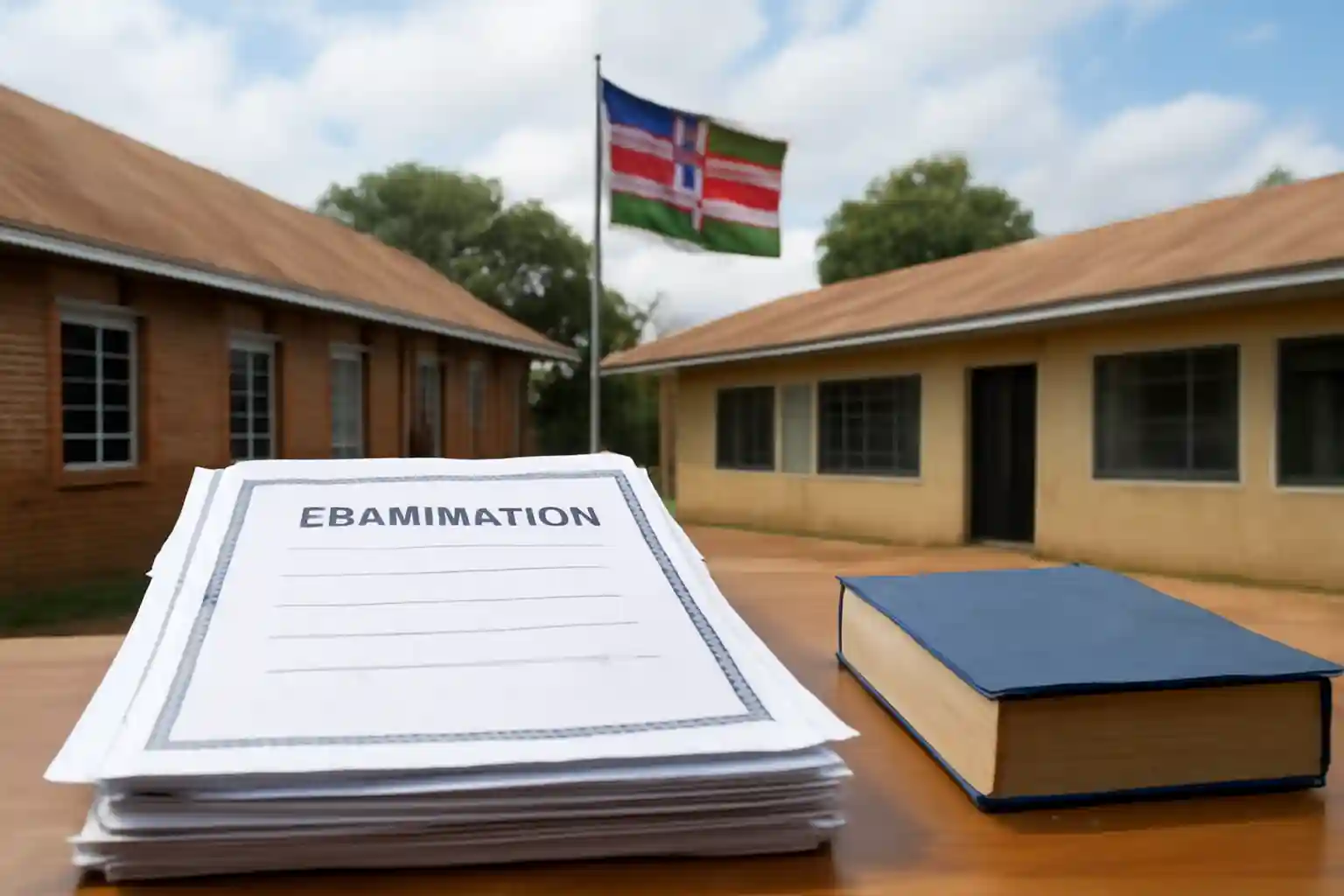
Junior Secondary Schools (JSS in primary schools) have become a central issue as Parliament considers amendments to the Basic Education Bill. Speaker Moses Wetang’ula has directed the Education Committee and the Ministry of Education to resolve public concerns about placing JSS within existing primary schools, focusing on capacity, staffing and protection of public funds.
Key Takeaways
- Primary school capacity: Many primary schools lack the infrastructure and specialist staff needed for junior secondary education.
- Capitation funds risk: Larger per-learner grants increase the need for stronger financial controls and transparent accounting.
- Legal moment: The Basic Education Bill amendments offer a chance to embed safeguards in law before final assent.
- What to watch: Committee report recommendations, parliamentary debate, and Ministry commitments on staffing and finances.
JSS in primary schools: Speaker’s concerns and the Basic Education Bill
The Speaker’s intervention highlights three linked problems: whether primary schools can manage the additional administrative and financial load; whether teachers and leaders are qualified to run JSS classes; and whether capitation funds will be tracked and audited effectively. The Basic Education Bill proposes a comprehensive school model that would legally combine primary and junior secondary levels, so Parliament’s decisions now can set long-term rules.
Why the concern is not new
Debate over domiciling JSS in primary schools has followed the rollout of the Competency-Based Curriculum. Post-primary teacher unions and secondary principals have warned that requirements such as laboratories and specialised teachers make JSS better suited to secondary campuses. Primary headteachers generally support the approach but ask for higher capitation and clearer support. These conflicting positions explain why the Speaker asked the Education Committee to work with the Ministry before the bill is finalised.
Money, management and accountability
Capitation funds are the government’s per-learner grant and often the main operating resource for public schools. Moving JSS into primary schools increases the sums involved and complicates procurement and record-keeping. Two practical risks stand out:
- Poor financial management at school level can lead to weak procurement, missing records and potential misappropriation.
- Illegal local levies can appear quickly when oversight is weak, undermining equity and trust.
Parliamentary safeguards under consideration include stronger Boards of Management rules, criminalising illegal fee collection, and strengthening KEMIS-based reporting and inspection. These measures aim to make capitation funds traceable and accountable.
Committee actions and practical questions
With public hearings complete, the Education Committee must translate submissions into concrete amendments. The Speaker specifically asked the Committee to engage the Ministry on operational details. Key questions to resolve include:
- Who manages JSS finances? Decide whether primary schools need trained finance officers or whether county-level support should handle accounting.
- Who teaches and leads JSS? Define qualification requirements for teachers and whether new leadership roles (e.g., JSS principal) are necessary.
- How capitation is tracked? Specify reporting cycles, audits and KEMIS data points to ensure funds reach classrooms.
- How infrastructure gaps are closed? Plan for shared facilities (labs, workshops) or targeted construction funding.
Embedding these answers into the bill will make them enforceable rather than optional policy promises.
Resources for teachers and schools
Schools preparing to teach junior secondary subjects may find curriculum and teaching resources useful. For example, the JSS teaching notes and the CBC curriculum designs explain subject scope and learning outcomes. Secondary transition planning can use the Grade 10 curriculum designs to align junior secondary work with senior school expectations.
What stakeholders should watch next
Teachers, parents, school leaders and unions should monitor three things closely:
- The Education Committee’s report — to see if capacity and capitation safeguards are reflected in recommended amendments.
- Debate in the National Assembly — additional changes to Board composition, inspection powers and the Cabinet Secretary’s mandates can be introduced on the floor.
- Concrete Ministry commitments — any staffing, training and financial control promises should be measurable and time-bound.
Stakeholders can also raise concerns directly with their MPs so local submissions influence the final text before presidential assent.
Conclusion
The decision to domicile JSS in primary schools is a practical solution for many communities, but it brings new demands for qualified personnel, stronger financial controls and improved infrastructure. The Basic Education Bill is the moment to lock in protections — if Parliament and the Ministry act now, the risks to capitation funds and learning quality can be reduced and the transition to a comprehensive school model can succeed.