The Ministry of Education’s 2027 school calendar rebalances term lengths, extends half-term breaks and separates primary/junior and secondary term dates for the first time to reduce fatigue and help curb unrest in schools.
Key Takeaways
- The 2027 school calendar shortens Term II to 13 weeks and lengthens Term III to 10 weeks to even out workload.
- Primary/junior and secondary schools now have separate term end dates and staggered holidays.
- Half-terms are longer (February and June) and the August break increases from three to four weeks.
- The December holiday is reduced from ten weeks to eight; national exams have been rescheduled to match the new term finish.
- Parliament is pushing for clearer student discipline regulations alongside the calendar changes.
Overview of the 2027 school calendar changes
The Ministry issued the 2027 calendar on 19 October 2026. The main goals are to reduce learner and teacher fatigue and to lessen the risk of mid-year unrest that affected many secondary schools in 2026. The calendar introduces separate schedules for pre-primary, primary, junior and senior/secondary schools and increases the number of mid-term rest days.
What changed: term lengths and holiday dates
- Term I: Pre-primary, primary and junior schools run from 4 January to 9 April (14 weeks). Senior and secondary open 4 January but close on 2 April (13 weeks).
- Term II: Now 13 weeks, opening 3 May instead of 27 April in the previous year.
- Half-terms: First half-term runs 19–28 February; second half-term runs 9–20 June (longer than 2026).
- August break: Increased from three to four weeks to give a longer mid-year rest.
- End-of-year break: Reduced to eight weeks, starting 8 November for primary/junior and 6 November for secondary; schools reopen 4 January 2027.
Assessment and teaching time adjustments
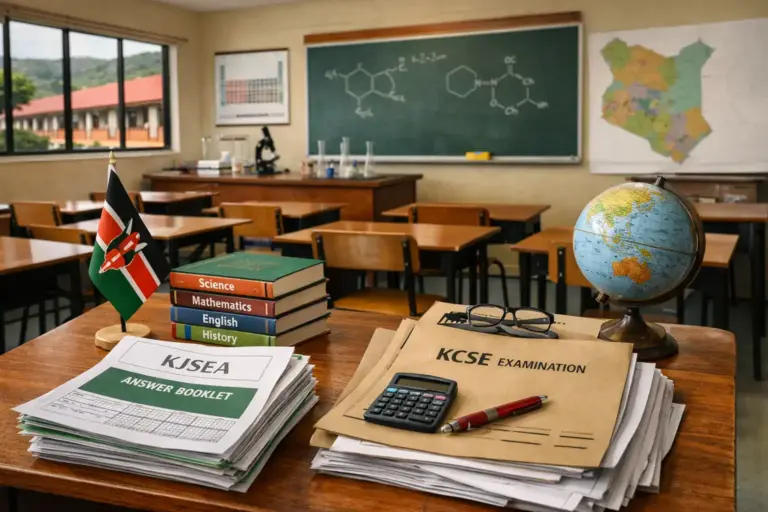
National assessments move with the new dates. Several junior-level national exams (KPSEA, KILEA, KJSEA and KPLEA) have been grouped into a single five-day window from 1–5 November. KCSE has been moved to 8–26 November, starting later than in 2026. Overall teaching weeks increase by one for primary and junior learners (37 weeks) while secondary learners remain at 36 weeks.
Why the Ministry made the changes
The calendar is designed as a preventive tool. By shortening overly long terms and adding longer mid-term breaks, the Ministry intends to spread workload more evenly across the year. The goal is to reduce stress and the tension that can build up during long uninterrupted stretches of teaching.
Discipline, Parliament and the limits of a calendar fix
Calendar design cannot address all causes of unrest. Parliament’s National Assembly Committee on Education — led by Hon. Julius Melly — has pressed the Ministry to develop clear discipline rules under Clause 19 of the proposed Basic Education Bill, 2026. The clause protects learners from corporal punishment but lawmakers argue it does not clearly spell out lawful disciplinary measures for serious misconduct.
The State Department for Basic Education signalled that the Cabinet Secretary would develop regulations to guide suspensions and other measures. Any rules will need to balance learners’ rights with the need to keep schools safe and manageable.
Practical impact for schools, parents and transport providers
Schools and families must adjust planning now. Expect differences in holiday start dates for households with children in both primary and secondary schools. Fee schedules, transport timetables and staff rostering should be revised to match the longer half-terms and the later year-end. School leaders should also prepare communication to parents explaining the new dates and any differences in day counts between school levels.
Actionable tips for teachers and school heads
- Update school calendars, fee timetables and transport contracts to reflect the new term dates.
- Use the longer half-terms to schedule targeted wellbeing activities and rest for students and staff.
- Align assessment and revision planning with the revised exam windows to reduce end-of-term pressure.
- Work with parent groups to explain the shorter December break and the benefits of more frequent pauses during the year.
Resources for classroom planning and exam preparation
To help teachers and learners adjust teaching and revision schedules under the new calendar, use available CBC planning and exam resources. For teacher lesson and exam preparation visit the CBC exam resources. For classroom schemes and lesson sequencing consult the CBC lesson plans. Senior school teachers preparing candidates for end-of-year assessment can use the KCSE revision exams to reorganise mock and revision timetables.
Will the 2027 school calendar stop unrest?
The calendar is a useful preventative measure, but not a complete solution. Preventing unrest will require clear disciplinary procedures, better school management, and investment in student wellbeing and conflict resolution. Stakeholders — including teachers, parents and lawmakers — will judge success by whether the calendar changes combine effectively with stronger discipline regulations and improved school support systems.
What to watch next
Parliament will continue reviewing the seven education reform bills and the Ministry is expected to publish discipline regulations under the proposed law. Schools should monitor government notices and update stakeholders as new regulations and clarifications appear.