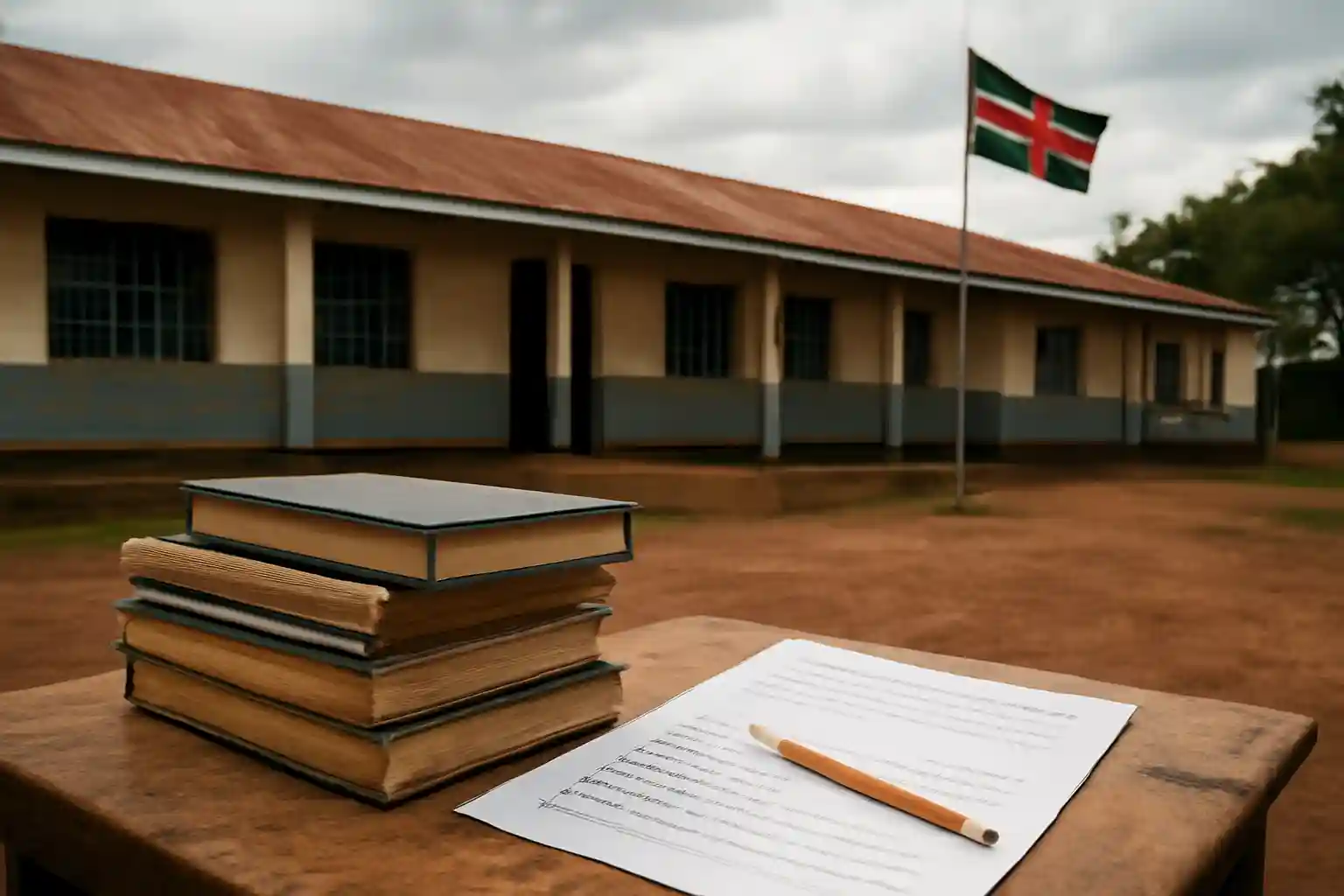
There is growing outrage as several secondary schools are reported to be charging illegal school fees and extra levies that exceed the government-approved limits. These unauthorized charges—often labelled as development, activity or maintenance levies—are increasing the cost of education for many families and threatening access for low-income learners.
Key Takeaways
- Many schools are demanding unauthorized fees and levies beyond the approved annual cap.
- Reported cases include Alliance Girls, Mangu High, Limuru Girls, Kenya High, Musingu and Gingo Mixed.
- The extra charges are described as development, activity, welfare and other unspecified costs.
- The Education CS has warned of disciplinary action and investigations are under way.
What happened
Reports from across the country show school administrations asking parents to pay amounts higher than the Ministry-authorized fees. In some cases the increases are dramatic. For example, a recommended disciplinary action was reported after a principal raised fees from the approved Ksh.53,558 to Ksh.120,179. Other schools show similar patterns of extra charges split across the three school terms.
Which schools are affected
Parents have shared fee schedules from several well-known schools to highlight the problem. Examples include:
- Alliance Girls — fee increase well above the approved figure.
- Mangu High School — charged Ksh.99,627 annually, with term breakdowns that far exceed the cap.
- Limuru Girls High School — total annual fees reported at Ksh.98,236.
- Kenya High School — parents report paying up to Ksh.110,000 with extra items such as water and electricity added separately.
- Musingu High School — despite a cap at Ksh.53,554, parents face additional levies for projects, motivation funds and subject fees.
- Gingo Mixed Secondary School (Homa Bay) — parents protested an illegal Ksh.7,000 levy.
Illegal school fees: Why it matters
Unauthorized fees and levies reduce access to education. When schools charge extra costs, families on low incomes are more likely to withdraw children or delay payments that can affect learning. The extra levies also widen inequality between students who can afford the added costs and those who cannot.
How these levies are presented
School administrations often disguise illegal charges under neutral-sounding labels such as development fund, activity levy or maintenance fee. Splitting payments across terms or hiding full-year figures can make it harder for parents to compare charges against the official limit set by the Ministry of Education.
Government response and enforcement
The Education Cabinet Secretary has publicly promised a purge of unlawful charges. He warned that schools failing to comply with approved fee structures risk disciplinary action. Investigations are continuing, and affected school leaders may face sanctions if found to have breached regulations.
Practical steps parents can take
Parents and guardians affected by illegal levies can protect themselves by taking these steps:
- Request the official school fee structure in writing and compare it to the Ministry-approved cap.
- Keep records of receipts and any written demands for extra payments.
- Organize with other parents to present a unified complaint to the school board and the Ministry.
- Report suspected illegal charges to the county education office or the national education authorities.
How schools can comply
School leaders should publish clear, term-by-term fee schedules and avoid adding unspecified levies. Transparent budgeting and consultation with parents help build trust. Schools should also prioritise measures that do not burden families, such as fundraising that is voluntary and clearly explained.
Support for learners during investigations
While investigations proceed, families still need study resources and exam preparation support. Free resources are available to help students continue learning without extra cost. For example, teachers and learners can access free CBC curriculum designs through our free curriculum page: free CBC curriculum designs.
Primary and junior students preparing for national exams can use no-cost practice materials like the free KCPE exams to stay on track. Senior students revising for national exams can find revision papers at free KCSE revision exams.
What to expect next
Authorities are expected to complete investigations and issue sanctions where breaches are proven. Schools found guilty may be required to refund unlawful levies and adhere strictly to approved fee limits going forward. Parents should watch for official notices and coordinate with school boards to ensure transparency.
Final practical advice
Document every fee demand and remain calm when raising the issue with school administrators. Collective parent action and timely reporting to the Ministry increase the chance of resolving illegal school fees quickly. Keeping students supported with free curriculum and revision resources helps protect learning while the system is corrected.