The final day of the DTE PP&P exam was marred by server failures and trainee protests at several teacher training colleges, highlighting urgent gaps in digital assessment readiness and fairness. The Kenya National Examinations Council (KNEC) delivered the tests via the TECBA e-assessment system, but outages, logout limits and uneven college infrastructure left many candidates worried about unfair referrals and cancelled papers.
Key Takeaways
- Server outages during the DTE PP&P exam prevented some candidates from completing papers and triggered protests at multiple colleges.
- Trainees demand a clear remedy, transparency in system logs, and a recovery mechanism for accidental logouts or lockouts.
- Concerns over the Safe Exam Browser configuration and strict logout limits may have affected results and must be reviewed.
- Long-term fixes include targeted infrastructure support for weaker colleges, more platform training, and clear KNEC communication on reassessments.
Background: what happened and why it matters
The Diploma in Teacher Education, Pre-Primary and Primary (DTE PP&P) cohort sat final papers delivered online through the TECBA portal. While the timetable ran from 27 October, reports on 4–5 November 2026 describe multiple technical disruptions. At St Mark’s Teachers College, Kigari, a server collapsed mid-paper during Christian Religious Education (CRE), leaving many candidates unable to finish.
Because the programme is the first cohort of the merged DTE PP&P qualification, results from this sitting will shape public confidence in the new curriculum and in the digital assessment platform used for national exams.
Impact on the DTE PP&P exam
The immediate impact is twofold: affected candidates fear being referred or penalised because of technical failure, and college administrators must manage unrest while protecting property and exam integrity. The DTE PP&P exam now faces scrutiny over whether the platform and exam rules fairly accommodate technical problems that are outside a candidate’s control.
Key problems reported
- Server collapse: Candidates lost access mid-paper and could not resume the exam.
- Strict timing rules: Timetables allow no extra time and require charged devices and connectivity, but offer no guidance for institutional infrastructure failure.
- Safe Exam Browser limits: Reports of a three-attempt logout/lockout policy raise the risk that accidental errors become permanent exclusions.
- Uneven college readiness: Referral statistics from previous DPTE results show wide performance gaps between colleges, suggesting differences in preparation and support.
Why trainees are protesting
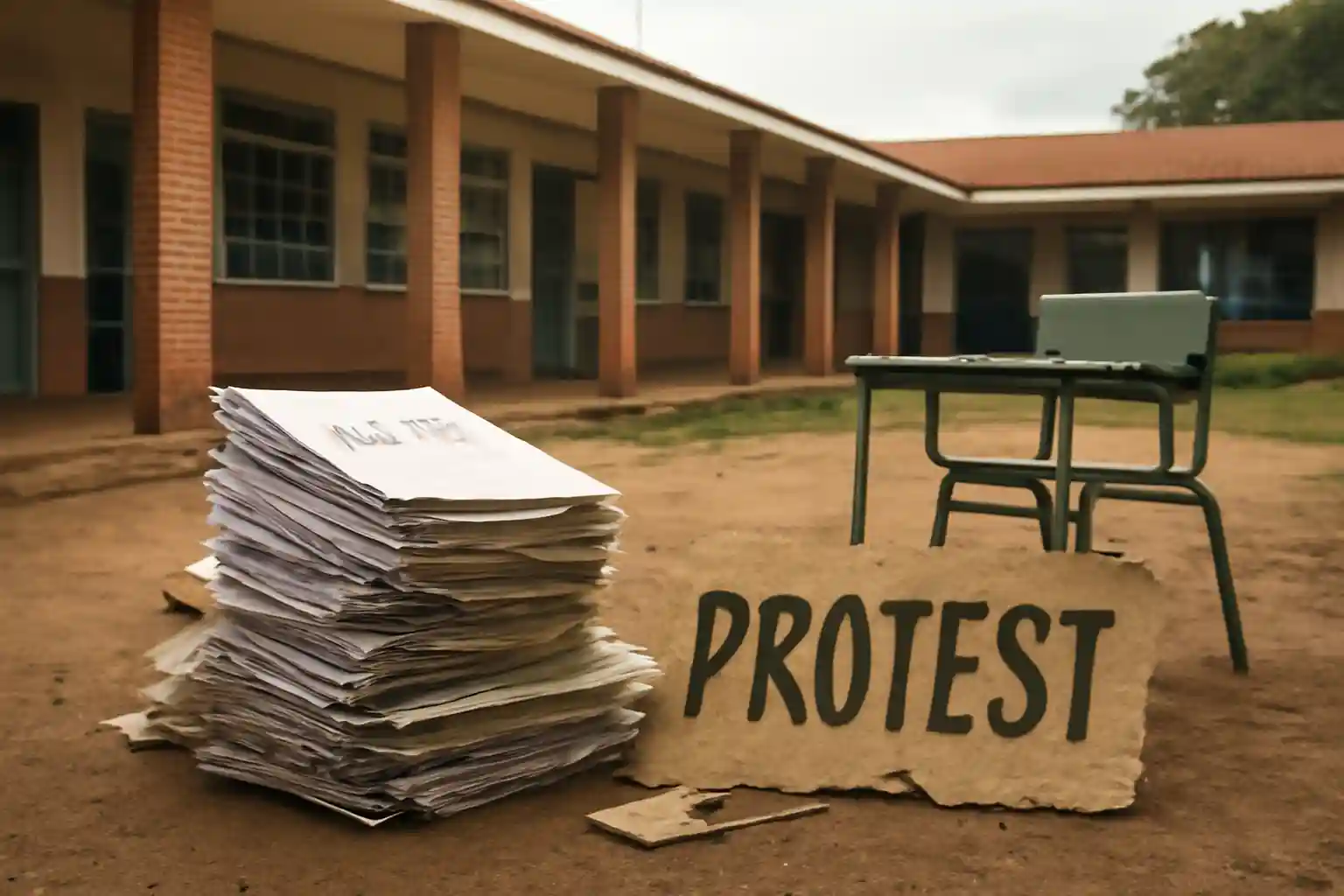
Trainees argue the exam should test professional knowledge and classroom competency, not their ability to manage IT failures. Having seen large numbers of referrals in earlier DPTE results, candidates worry a technical hiccup will result in disproportionate penalties. At Kigari, repeated protests followed the outage as trainees demanded reassessment without stigma.
What trainees and colleges are asking for
- A fair reassessment for candidates who lost time or access due to system failures.
- Transparency: access to KNEC logs showing network interruptions, password errors and lockouts so institutions can verify what happened.
- A quick recovery mechanism to return logged-out candidates to the exam with adjusted time.
- Additional platform training and rehearsals before high-stakes tests, and technical support for colleges with weak infrastructure.
Safe Exam Browser and technical safeguards
The configuration of the Safe Exam Browser (SEB) is central to many complaints. Practical questions include whether accidental logouts or password mistakes can trigger permanent lockouts, and whether the system records and distinguishes technical faults from misconduct. In digital assessments, a dropped connection or crashed server can appear in logs like other irregularities, so clear technical safeguards and review processes are essential.
What happens next
Several steps will determine whether the issue escalates or is contained:
- KNEC must issue a clear statement on how affected CRE candidates and others will be treated.
- A technical review of SEB settings and the logout limit should be completed before results are released.
- Targeted infrastructure and training support should be prioritised for colleges with high referral rates.
- The practicum component will run from January to July 2027, and final outcomes will depend on how KNEC and colleges resolve assessment disputes.
How colleges can prepare and reduce risk
- Ensure reliable local servers, stable internet connectivity and backup power before hosting online assessments.
- Run multiple platform rehearsals so trainees and invigilators are familiar with login, logout and recovery procedures.
- Document and report any technical faults immediately with timestamps and participant details to enable rapid investigation.
- Engage trainee representatives in an open line of communication to reduce the risk of unrest.
Resources for teacher trainers and candidates
For trainers and trainees preparing for digital assessments or lesson delivery under the competency-based curriculum, the following resources may help:
- Past Diploma in Education papers — useful for revision and familiarisation with question styles.
- CBC teaching notes — guidance on curriculum expectations and classroom practice.
- PP2 schemes of work — planning resources for early childhood and primary practice.
The core test for KNEC, the Ministry of Education and college leaders is to show that the assessment system is as fair and reliable as the curriculum it measures. Candidates rightly expect that technical failures will be addressed without penalising their competence; transparent investigations, adjusted procedures and targeted support can restore confidence before results are finalised.