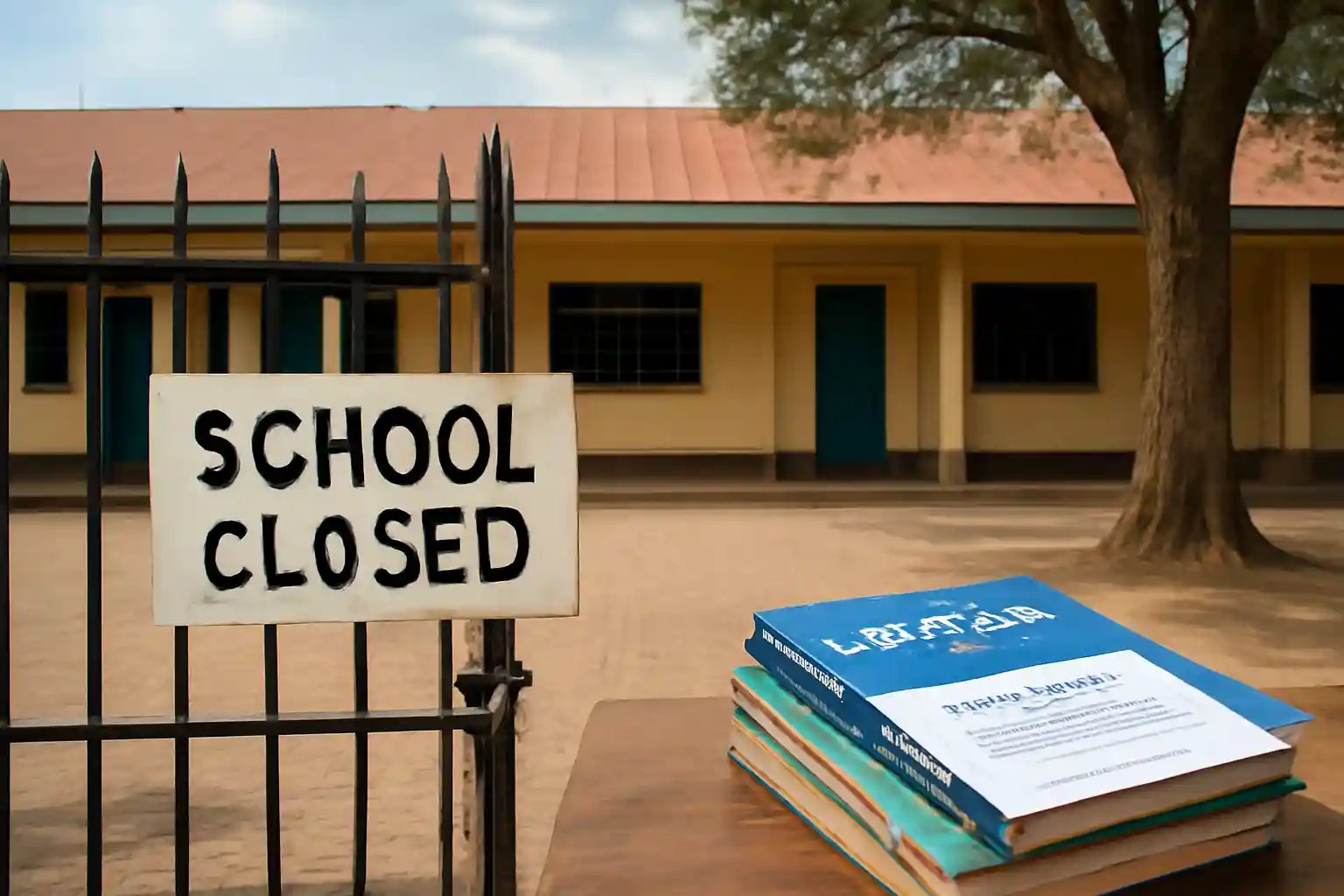
The recent wave of student unrest across Kenya has forced at least thirty secondary schools to suspend in-person learning. School leaders cite safety concerns after a string of violent incidents and dormitory fires. With the official mid-term break still weeks away, many institutions face hard choices between following the academic calendar and protecting learners and staff. This article summarises the situation, lists the affected schools, explains likely causes, and outlines practical steps for immediate safety and long-term recovery.
Key Takeaways
- Student unrest and dormitory fires have led to widespread school closures and disruptions to learning.
- Thirty named secondary schools have reported closures or major disturbances this term.
- Root causes include food complaints, boarding conditions, administrative grievances and academic pressure.
- Immediate priorities are safety, communication, and coordinated support from education and security agencies.
- Schools should prepare continuity plans using available resources such as lesson plans and revision materials.
Current wave of student unrest and school closures
The main concern is the safety of pupils and staff after several campuses experienced riots and arson. The tragic fire at Utumishi Girls Academy on May 28, 2026, which killed 16 students, intensified pressure on administrators to act fast. Many principals have chosen to close early or send students home after assessing local risks. The Ministry of Education advises official approval for early closures, but the immediate threat to life often forces quicker decisions on the ground.
Schools affected
The following institutions have reported closures or serious disruptions due to unrest this term:
- Alliance High School
- Loreto Girls’ High School, Limuru
- Lenana School
- Saseta Girls’ Secondary School
- Barding Secondary School
- Maranda High School
- Utumishi Girls Academy
- Moi Forces Academy, Lanet
- Tarakwa High School
- Naivasha Girls High School
- St. Joseph’s Seminary Senior School, Molo
- Nakuru Girls High School
- Njoro Girls High School
- State House Girls High School
- Mwasere Girls High School
- Dr. Aggrey Boys High School
- Kenyatta High School, Mwatate
- Moi Boys High School, Voi
- Eldoro Girls High School
- Mahoo Girls High School
- St. Mary’s Lushangonyi Secondary School
- Kangaru School
- Kangaru Girls High School
- Sacred Heart Kyeni Girls High School
- Kimangaru Mixed Secondary School
- Kavuthu Secondary School
- Kyamuthei Secondary School
- Nguumo High School
- Kalama Secondary School
- Kaumoni Boys High School
Root causes of the unrest
Several recurring issues help explain why tensions escalated quickly:
- Boarding conditions: Complaints about food quality, hygiene or overcrowding can trigger collective action.
- Administrative grievances: Perceived unfair discipline, exam pressures, or abrupt policy changes can undermine trust.
- Communication gaps: Lack of student representation and weak student-teacher channels increase frustration.
- Security lapses: Poor dormitory security and slow emergency response make fires and assaults more deadly.
Immediate responses and school safety measures
Schools and authorities should prioritise short-term actions that reduce harm and restore order:
- Evacuate and account for all learners when a threat is reported.
- Secure dormitories with basic fire prevention measures and regular safety checks.
- Open clear communication channels so students can report grievances safely and anonymously.
- Engage parents and local leaders early to support decisions on temporary closures or relocations.
For learning continuity during closures, schools can adopt remote or printed materials. Use prepared resources such as secondary school schemes of work to keep lessons structured, or share CBC lesson plans for younger learners. For exam classes, provide targeted practice using KCSE revision exams to reduce anxiety and loss of study time.
Recommended longer-term changes
Beyond immediate fixes, a multi-sector response is essential. Suggested policy and school-level reforms include:
- Regular independent audits of boarding facilities and fire safety equipment.
- Strengthening student representation through councils that meet with school leadership.
- Clear grievance redress systems with timely, documented responses.
- Mental health and counselling services for learners under stress from academic pressure.
- Training for teachers and prefects in conflict de-escalation and emergency response.
Conclusion: what matters now
The priority is simple: protect lives and stabilise learning. Short-term closures may be necessary where risks are real, but they must be paired with transparent communication, swift safety upgrades, and academic support for affected learners. Strengthening communication between students and teachers will help, but it must sit alongside practical safety measures and policy changes if the current wave of unrest is to end for good.